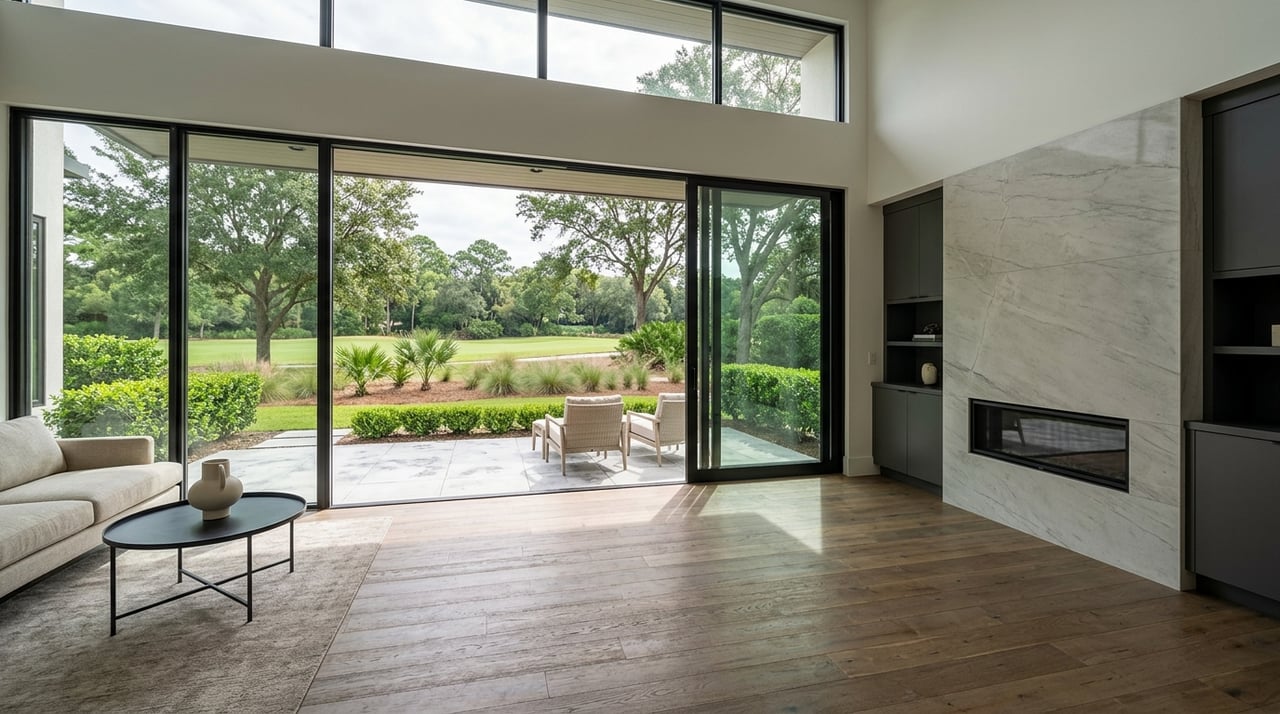
Wondering what it’s really like to live on the Longwood Golf Course? If you love the idea of green views, mature trees, and a neighborhood that offers more than just golf, Longwood Village is worth a closer look. The lifestyle here can feel peaceful and scenic, but it also comes with the rhythms of a public course and an active HOA-managed community. Here’s what you should know before you buy a golf-course home in Longwood Village.
Longwood Village at a glance
Longwood Village is a Cypress subdivision in Harris County that was established in 1995 and now includes more than 1,500 homes, according to the Longwood Village HOA. The community includes a wide range of home types, from first-time-buyer homes and garden homes to golf-course homes, custom homes, and two gated sections. That variety gives you more options if you want the setting of a golf-course neighborhood without limiting yourself to one home style.
The neighborhood is also broader in lifestyle than many buyers expect. The HOA highlights two pools, three parks, four tennis and pickleball courts, trails, a pond, a pavilion, and an 18-hole golf course. It also notes access to major routes including Hwy 290, Hwy 249, Tollway 99, and Beltway 8, which matters if you want neighborhood amenities without feeling disconnected from the rest of northwest Houston.
What golf-course living feels like
One of the biggest draws in Longwood is the setting. The HOA and golf club both emphasize mature trees, forested fairways, and a canopy of pines and landscaping throughout the community. If you picture a more wooded, tucked-away feel instead of wide-open fairways with little separation, that is a big part of Longwood’s appeal.
For many buyers, that wooded design can make golf-course living feel more private and more natural. Of course, the exact experience depends on the lot, the hole, and the tree line behind or beside the home. Some homes may feel especially secluded, while others will have more open views of the course.
The course is public, not private
This is one of the most important things to understand before you buy. In Longwood, the golf course is a public amenity, not a private residents-only course. That means the course is part of the neighborhood’s scenery and lifestyle, but it also has daily activity beyond the immediate residents.
According to the Longwood Village HOA and club information, the club offers daily hours, tee times, practice facilities, breakfast and lunch service, a renovated clubhouse, and event space for weddings and banquets. The club also advertises membership perks such as course access, practice-facility access, members-only events, and preferred rates for Longwood residents. For you as a buyer, that means location within the neighborhood matters a lot.
Location matters within the course
Not every golf-course lot will feel the same. A home backing to a quieter stretch of fairway may offer a different day-to-day experience than a home near a tee box, green, clubhouse, or event area. If you are considering a golf-course property, it helps to think beyond the words “on the course” and focus on the exact placement.
In practical terms, homes closer to the clubhouse or social spaces may see more regular activity because the course is open for daily use and events. Homes farther from those central areas may feel calmer and more tucked into the trees. That is why lot-by-lot guidance matters so much in Longwood Village.
Longwood is more than a golf neighborhood
A lot of buyers hear “golf-course community” and assume golf is the center of everything. In Longwood Village, golf is only one piece of the lifestyle. The HOA describes the neighborhood as active year-round, with walkers, runners, cyclists, tennis and pickleball players, swimmers, and golfers all using the shared green-space setting.
That broader amenity mix can be a major plus if you want a neighborhood with outdoor activity and community features, even if you do not play golf often or at all. The course adds beauty and identity, but the community itself is not limited to golf-focused living. That balance is part of what makes Longwood Village stand out in Cypress.
What to expect from the HOA
If you are thinking about buying in Longwood Village, the HOA is an important part of daily life. The community uses TownSq as its official communication system, and the HOA says residents can submit maintenance, violation, and architecture requests there. The HOA also uses newsletters, email blasts, community marquees, and Facebook posts to keep residents informed.
That structure can be helpful if you prefer an organized community with clear processes. It also means you should be prepared for established standards, especially if you plan to update the exterior of your home after closing.
Exterior changes need approval
The HOA says ARC approval is required for many exterior modifications. According to the architectural guidelines summary, that can include:
- Additions
- New structures
- Non-matching paint changes
- Roof replacements that do not use equivalent materials, styles, or colors
- Fence replacements that do not use equivalent materials, styles, or colors
If you are buying a golf-course home and already imagining a backyard project, exterior paint refresh, or fence update, it is smart to review those expectations early. That can help you avoid surprises and make sure your plans fit the community requirements.
Amenity access is structured
The HOA also notes that the first two amenity cards for pools and tennis are issued at no charge per residential address. That is a small but useful example of how access is organized in the neighborhood. It gives you a clearer picture of how the community manages shared amenities.
The biggest tradeoff to think through
Like most golf-course communities, Longwood offers a mix of benefits and tradeoffs. On one hand, you may get beautiful views, mature landscaping, and a stronger connection to green space. On the other hand, you are living next to a shared landscape that sees regular use.
Longwood’s wooded layout likely softens that tradeoff compared with more open golf communities. Even so, it is still wise to compare fairway lots with homes near tees, greens, or clubhouse activity. Two golf-course homes in the same neighborhood can deliver very different living experiences.
Flood mitigation and course changes
Another piece of context matters here: the course and surrounding area have changed over time. Community Impact reported that the Harris County Flood Control District purchased 80 acres of the Longwood Golf Club property in 2023 for flood mitigation. The same local coverage also noted that the renovated club reopened in 2024.
Earlier local reporting cited in that coverage noted that more than 100 Longwood Village homes flooded during Hurricane Harvey. For buyers, this does not mean every home in the neighborhood is affected in the same way. It does mean you should treat flood history and drainage context as an essential part of your home search in Longwood, especially for properties near the course or low-lying areas.
Questions to ask before you buy
If you are considering a home on the Longwood Golf Course, here are a few smart questions to ask as you compare properties:
- Is this lot near a tee, green, fairway, clubhouse, or event space?
- How wooded is the lot, and how much screening does it actually provide?
- What are the HOA rules for the exterior projects you may want to do?
- How does this home relate to flood history, drainage, and any nearby mitigation work?
- How important are golf access and club activity to your day-to-day lifestyle?
These questions can help you move beyond the marketing appeal of a golf-course address and focus on how the home will feel for you in everyday life.
Is Longwood golf-course living right for you?
If you want a Cypress neighborhood with mature trees, established amenities, and a golf-course setting that feels more wooded than wide open, Longwood Village has a lot to offer. It blends golf, parks, pools, trails, and racquet sports in a way that appeals to a wide range of buyers. At the same time, it is important to understand that the course is public, the HOA is structured, and the exact location of a home can shape your experience significantly.
That is where local guidance can make a real difference. If you are weighing golf-course homes against interior lots, or trying to understand how one section of Longwood compares to another, working with someone who knows the neighborhood helps you buy with more confidence. If you’re thinking about buying or selling in Longwood Village, Brianna Bischoff Real Estate can help you evaluate the details that matter most and make your next move with clarity.
FAQs
Is the Longwood Golf Course public or private?
- The Longwood course is a public amenity with daily hours, tee times, practice facilities, dining service, and event space.
What amenities does Longwood Village offer besides golf?
- Longwood Village includes two pools, three parks, four tennis and pickleball courts, trails, a pond, and a pavilion, according to the HOA.
Do Longwood Village exterior home changes need HOA approval?
- Yes. The HOA says ARC approval is required for many exterior changes, including certain additions, new structures, paint changes, and some roof or fence replacements.
What is daily life like in Longwood Village beyond golf?
- The HOA describes the neighborhood as active year-round, with residents using walking routes, trails, pools, tennis and pickleball courts, and other shared green spaces.
How should buyers think about flood mitigation in Longwood Village?
- Buyers should understand that flood mitigation work has affected part of the golf club property and should review each home’s flood and drainage context carefully during the buying process.
Do all Longwood golf-course homes feel the same?
- No. A home’s experience can vary depending on whether it sits near a fairway, tee, green, clubhouse, or event area, as well as how much tree screening the lot has.
